
Why Your AC Runs But Won't Cool on a Triple-Digit Day
September 30, 2026
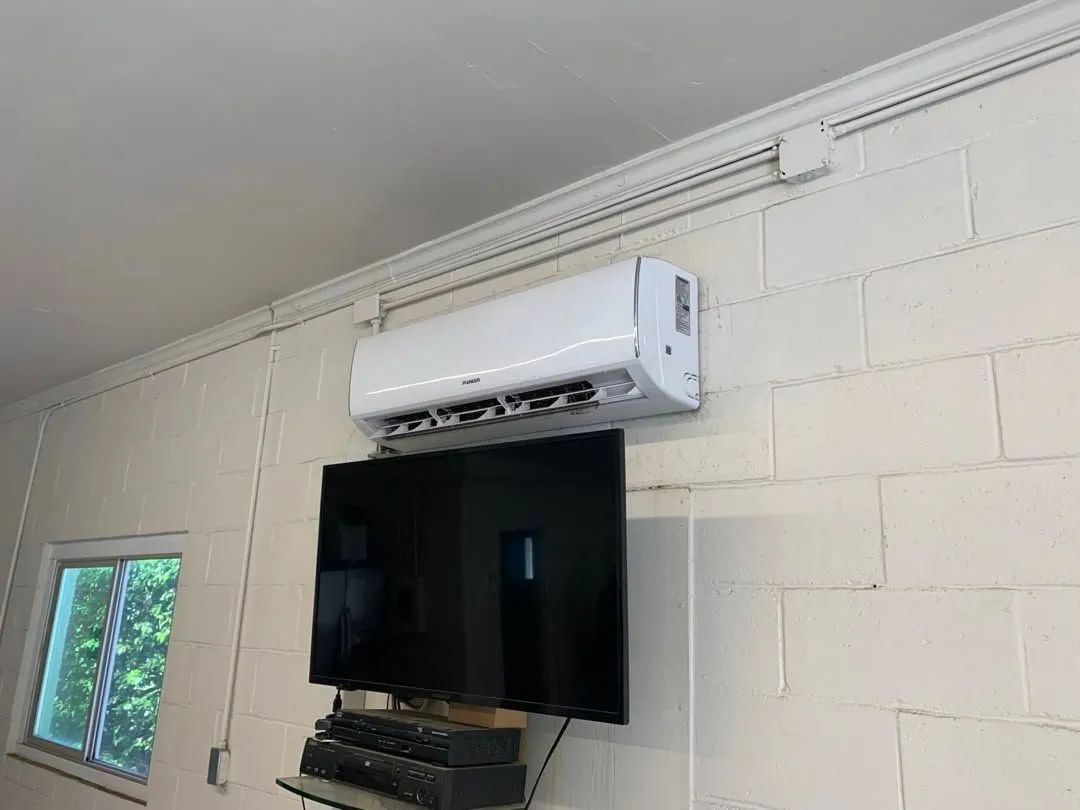
QUICK ANSWER: An AC that runs but will not cool almost always has one specific fault behind it: a clogged filter or blocked return choking airflow, a dirty condenser coil that cannot shed heat, a frozen evaporator, low refrigerant from a leak, or a failed capacitor keeping the compressor from starting. On the hottest days an otherwise healthy system can also reach its design limit. The way to find the real cause is to measure the temperature split across the coil and check airflow before touching the sealed system.
A 108-degree afternoon finds the one part of a home air conditioner that has been quietly slipping since spring. The fan hums, air moves from the vents, the outdoor unit sounds like it is working, and yet the rooms keep climbing while the thermostat falls further behind. This is the difference between an air conditioner that is off and one that is running but not cooling, and the second problem is the more frustrating of the two because everything looks normal.
In Oakdale and across the Modesto area, that gap shows up fastest in July and August, when outdoor air sits above 100 degrees for days at a stretch. A cooling system carries a hidden weakness through the mild months without complaint. Then the load climbs, the equipment has no margin left, and a fault that was survivable in May becomes a warm living room by mid afternoon. Central Valley dust and a cooling season that runs half the year only speed that process along.
The useful part is that a system blowing room-temperature air is giving you information. Each cause leaves its own signature, and working through them in order, from the simple and cheap to the ones that need gauges, points at the real fault instead of a guess. Here is how that sequence runs.
Start by Reading the Temperature Split
Measure the drop across the coil before anything else. A working air conditioner pulls return air across a cold evaporator coil and sends it back noticeably colder, usually 16 to 22 degrees colder than the air going in. Put a thermometer in the return air near the filter and another at a supply vent and compare the two. A split in that range means the equipment is moving heat, and the problem may be capacity or distribution rather than a broken part. A split of only a few degrees says the system is barely cooling at all, and the cause sits somewhere in airflow, charge, or the compressor.
This single reading saves hours. It separates a house that cannot keep up with extreme heat from a system that has genuinely failed, and it tells a technician which direction to look before a single panel comes off.
A Clogged Filter or Blocked Return
Airflow is the first thing to rule out. A dirty filter is the most common reason a system runs while the house stays warm, and it is the one thing a homeowner can check in a minute. When the filter loads up with dust, air cannot move across the evaporator coil fast enough. The coil gets too cold, the supply air thins out, and cooling drops even though the compressor and fan are both running.
Blocked or closed supply registers, a crushed return duct, and furniture pushed against a return grille all create the same shortage. Valley homes pull in fine agricultural dust and pollen through the summer, so a filter that lasts three months in a mild climate can choke in half that time here. Pull the filter and hold it to the light. If you cannot see through it, it is starving the system, and swapping it is the first move before assuming anything mechanical has failed.
Dirty Condenser Coils and Central Valley Dust
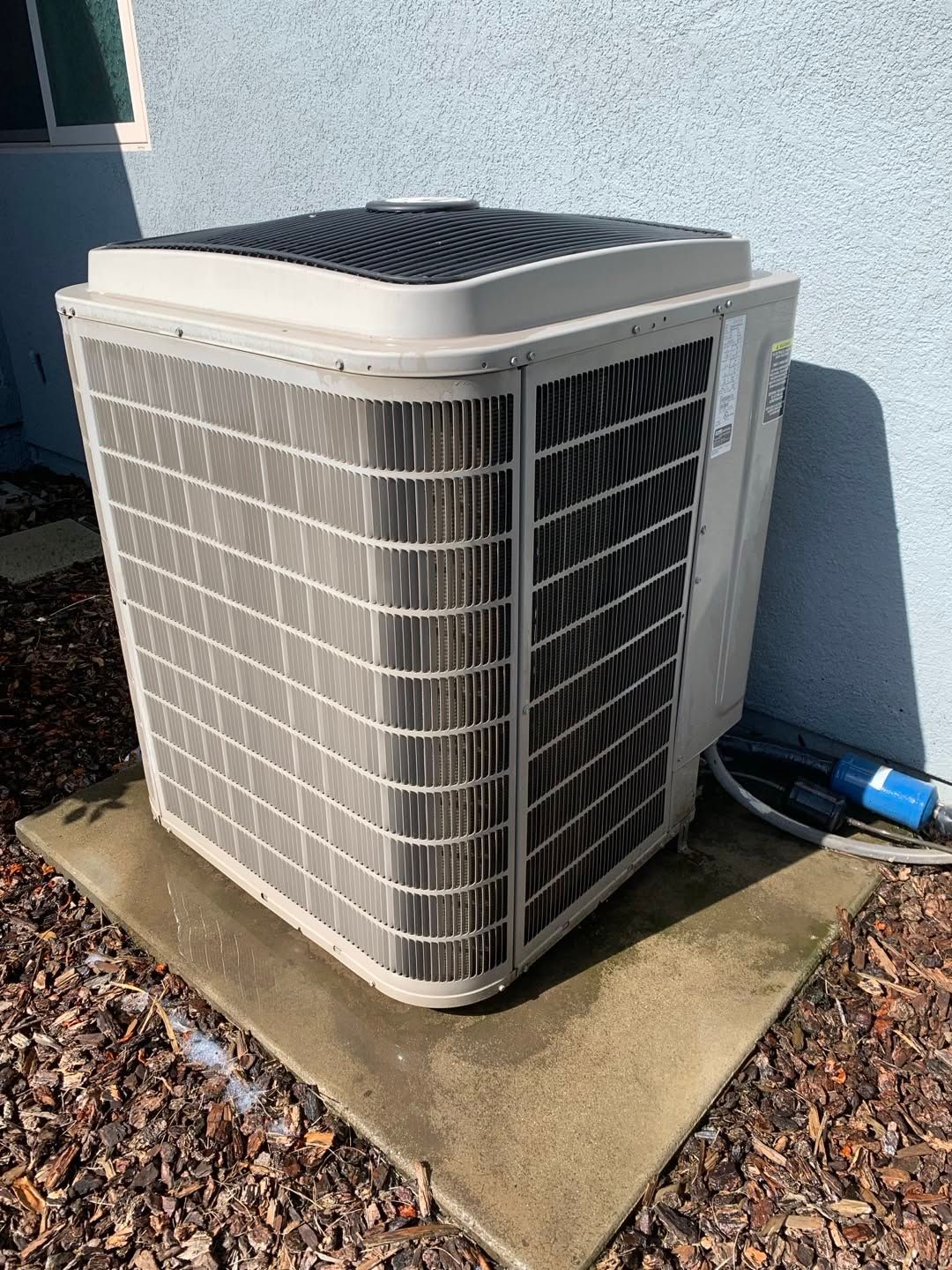
The outdoor coil has to reject the heat the system removes. The condenser sits outside and dumps the heat pulled from your rooms into the air. Coated in dust, cottonwood, grass clippings, and the grime that settles over a long dry summer, that coil cannot release heat. Head pressure rises, the compressor runs hotter and longer, and the supply air never gets cold enough no matter how long the system runs.
This is where local conditions matter most. Dust off dry fields and orchards loads an outdoor coil faster here than in a coastal town, and a unit sitting near an unpaved drive fouls faster still. When the outdoor unit runs on a hot afternoon, the air off the top of the fan should feel warm rather than scorching, and the fins should look clean rather than matted gray. A blanket of debris across that coil is one of the most common and most preventable reasons a system quits cooling in peak heat.
A Frozen Evaporator Coil
Ice on the indoor coil is a cooling problem hiding as a cold one. It sounds backward, but a coil buried in frost is one of the frequent reasons an air conditioner runs without cooling. Weak airflow from a dirty filter, a blocked return, or a low refrigerant charge lets the evaporator coil drop below freezing. Condensation on the coil turns to ice, the ice blocks what little airflow remains, and the system chokes itself off while the compressor keeps running.
The signs are a suction line sweating or frosting near the indoor unit, weak air from the vents, and sometimes water pooling around the air handler as the ice melts. A frozen coil is a symptom, not a root cause, so clearing it means finding what starved the coil in the first place, whether that turns out to be airflow or charge.
WARNING: Running a system with a frozen coil is one of the surest ways to ruin a compressor. Liquid refrigerant that should have boiled off in the coil can slug back to the compressor, and a compressor working against a solid block of ice runs hot and strains every cycle. If you see frost on the coil or the lines, switch the system to fan only so the ice can melt, and leave the cooling off until the cause is found.
Low Refrigerant and a Hidden Leak
Refrigerant is not consumed, so a low system has a leak. An air conditioner is a sealed loop, and the charge inside it does not burn off or wear out in normal use. When a system reads low, refrigerant has escaped through a leak, and adding more without finding that leak only resets the same failure on a shorter clock. A low charge shows up as a system that never reaches setpoint, a coil that ices, run times that stretch longer and longer, and sometimes a faint hiss near a fitting or the coil.
Finding the leak is measurement work. A technician reads superheat and subcooling to confirm the charge is actually low, then uses an electronic detector, a nitrogen pressure test, or dye to pin the exact joint. Once the failure point is repaired, the system is charged to the manufacturer weight and verified by those same readings rather than filled by feel. That is the difference between a repair that holds through August and one that has the house warm again in a week.
Capacitor and Compressor Faults
The fan can spin while the compressor sits dead. One of the more confusing failures happens when the outdoor fan runs but the compressor never starts. A weak or failed run capacitor cannot give the compressor the electrical push it needs to begin turning, so the fan keeps spinning, the unit hums, and the house gets no cooling because no refrigerant is moving. Warm air from the vents paired with a humming outdoor unit is a classic sign of this fault.
Capacitors fail faster in extreme heat, which is exactly why they tend to quit during the first serious hot spell of the year. The compressor itself is the last suspect and usually the victim rather than the cause. Grinding, hard starting, or a unit that trips the breaker after running points at a compressor worn down by the same faults above: a dirty coil making it run hot, a low charge making it run long, or years of poor airflow.
TIP: Stand near the outdoor unit while the system calls for cooling. A healthy unit settles into a steady hum with the fan pulling air straight up. A repeated click followed by silence, a loud buzz with a fan that will not spin, or a hum with no fan motion all point toward a capacitor or contactor, and noting exactly what you hear helps a technician arrive with the right part.
Thermostat and Duct Problems
Sometimes the equipment is fine and the delivery is broken. A thermostat mounted on a sunlit wall or near a lamp reads warmer than the room and cycles the system oddly, while a miswired or failing thermostat can call for cooling that never fully engages. These are worth ruling out because they are inexpensive to fix and easy to miss.
Ductwork is the quieter thief. A third of the cooled air a system produces can leak out of separated joints and torn flexible duct into a hot attic before it ever reaches a bedroom. On a triple-digit day that lost air is the margin between comfortable and warm. Rooms far from the air handler go warm first, the system runs constantly to cover the loss, and the coil can freeze from the reduced return airflow. Sealing and supporting those runs returns capacity to the rooms you actually use during the hottest part of the afternoon.
When the System Is Simply Outmatched
Even a healthy unit has a design limit. Air conditioners are sized for a design temperature, not for the worst afternoon of the year. In this region that design point sits somewhere around 100 to 105 degrees, and once the outdoor air pushes past it, every system delivers less capacity at the exact moment the house needs more. A unit that holds 74 degrees comfortably in June may only reach 78 during a 110-degree stretch, and that can be normal behavior rather than a fault.
The way to tell the difference is the temperature split from the first step. If the coil is still pulling a solid drop between the return and supply air, the equipment is working and the load has simply outrun it for a few hours. If the split has collapsed, the extreme heat has exposed a real problem underneath. An undersized system, leaky ducts, or a home with little shade and thin insulation all make a marginal setup tip into a warm one on the hottest days.
Working the Causes in Order
An air conditioner that runs but will not cool is a diagnostic problem, not a parts lottery. Worked in sequence, the trace moves quickly: read the temperature split, check the filter and returns, clean and inspect the condenser, look for a frozen coil, then put gauges on the sealed system to read superheat, subcooling, and amperage. Each step either finds the fault or clears a whole category, so nothing gets replaced on a hunch. That measure-first order is what separates a repair that holds through the rest of summer from one that leaves the house warm again on the next hot afternoon.
Frequently Asked Questions
Should I keep running my AC if it is blowing warm air?
No. If the cause is a frozen coil or low refrigerant, running damages the compressor, your system's most expensive part. Switch to fan only, check the filter, and let ice melt before calling a technician.
Why is my outdoor fan running but the air inside stays warm?
That pattern usually means the compressor isn't running. A failed run capacitor cannot start it while the fan spins. Low refrigerant or overload trips cause the same result. Without refrigerant moving, no cold air forms.
Is it normal for my AC to struggle on a 108-degree day?
Some cooling loss is normal past the design point, around 100 to 105 degrees here. A healthy unit may run a few degrees warmer in extreme heat. Constant falling behind signals a real underlying fault.
How often should I change my filter during a valley summer?
Check a standard one-inch pleated filter monthly through cooling season and plan to change it every 30 to 60 days. Heavy runtime and valley dust load filters much faster than the standard three-month guideline suggests.
Why Diagnosis Always Comes Before the Repair
An air conditioner that runs but will not cool teaches something new each time you work through the checklist. Starting with the simplest checks saves money and frustration because most causes live at the top of the list. A clean filter solves more warm-house calls than any sealed-system repair will. This measure-first approach means you never pay to replace a part that was not actually broken, and you catch real problems early before the heat wave peaks.
For 45
years, Pro Edge Services and Training, Inc. has worked through this diagnostic sequence in Oakdale, CA homes during July and August stretches pushing temperatures past 110 degrees. Local experience teaches that Central Valley dust loads coils differently than coastal air, that filter swaps matter more here, and that systems running without cooling need answers fast. That depth of knowledge in the people who arrive on a triple-digit afternoon makes the difference between guessing and finding what actually broke
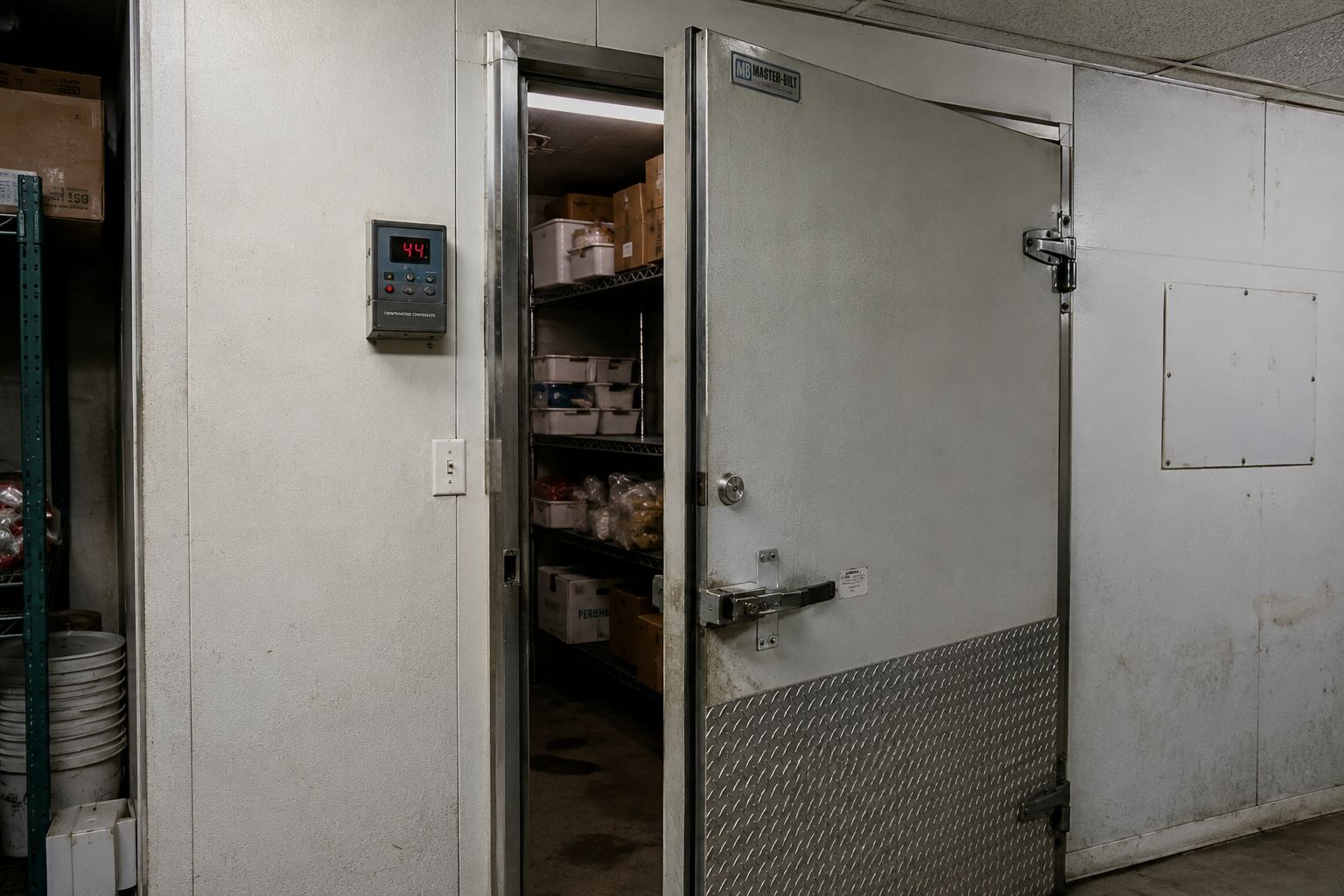
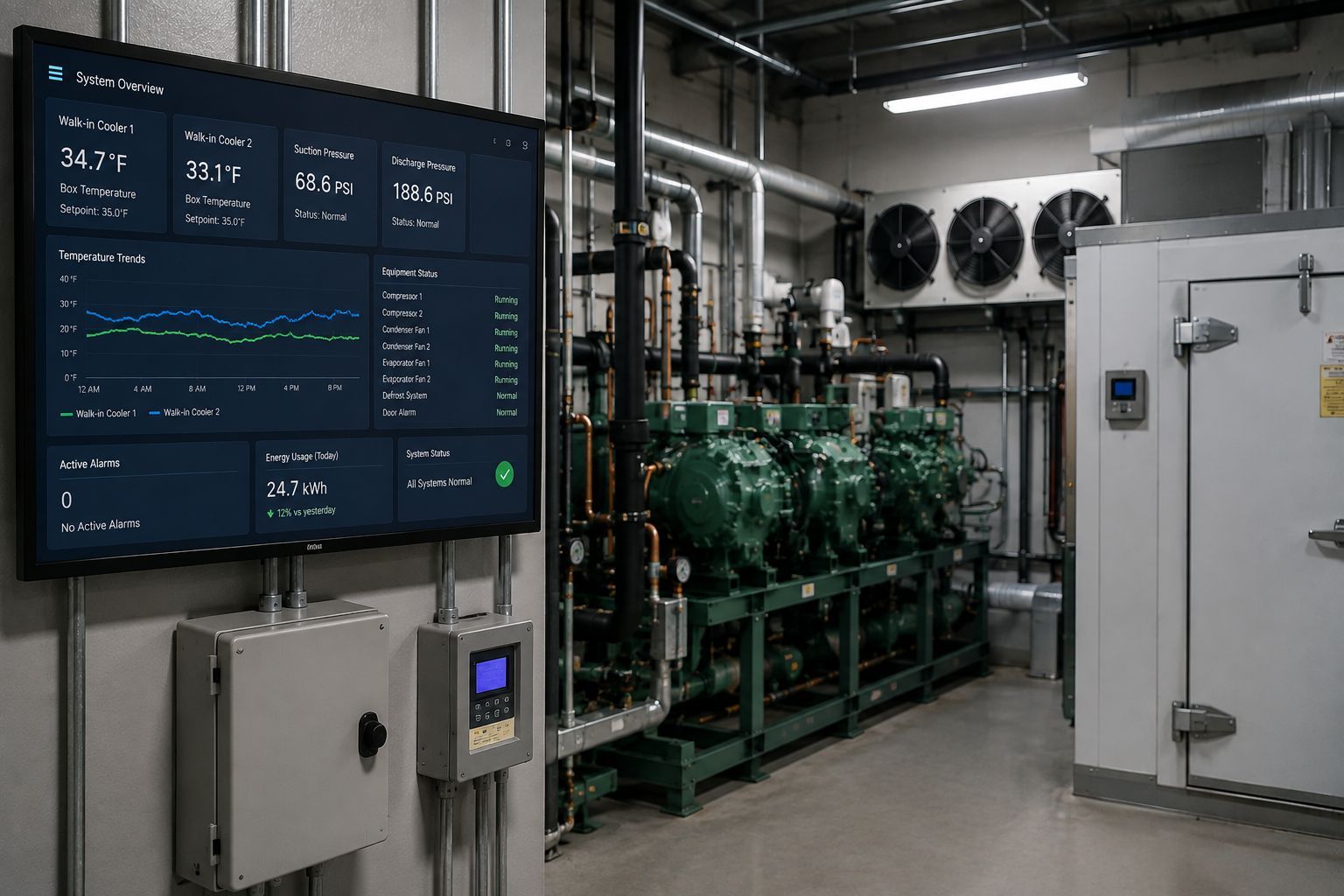
System Monitoring vs. Reactive Repairs: How Oakdale Businesses Protect Refrigeration and HVAC Uptime
System Monitoring vs. Reactive Repairs: How Oakdale Businesses Protect Refrigeration and HVAC Uptime